Debunking the Myths: How Electric Hatchbacks Can Power a Circular Mobility Economy
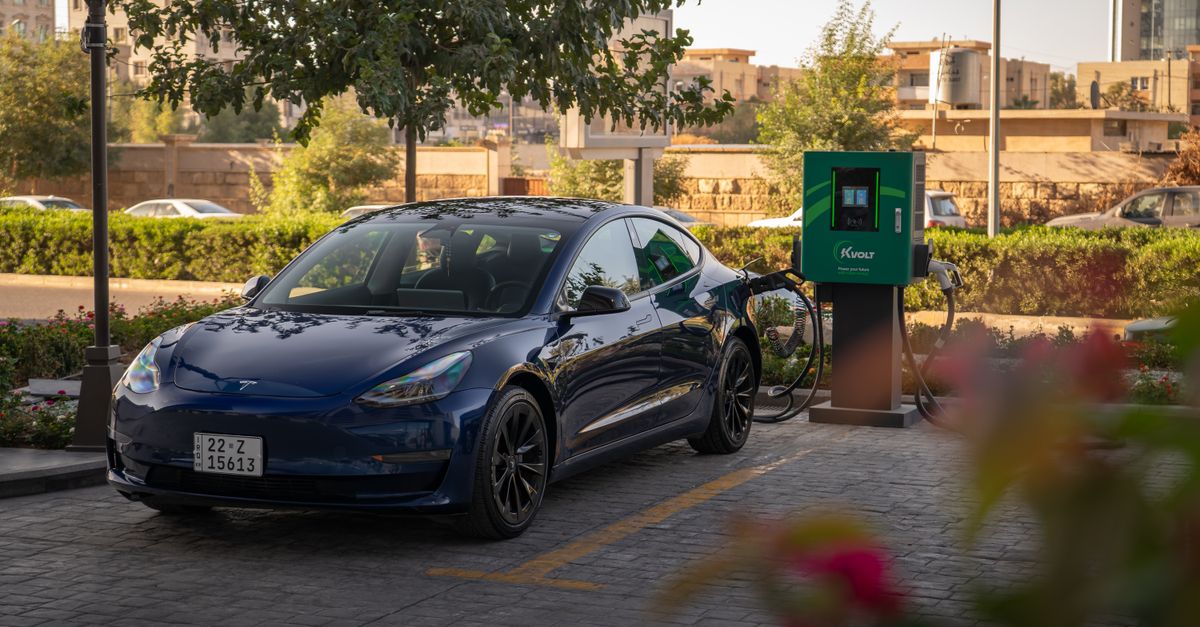
Debunking the Myths: How Electric Hatchbacks Can Power a Circular Mobility Economy
Electric hatchbacks can power a circular mobility economy because their compact footprint, modular design, and rapid recyclability create closed-loop supply chains that reduce waste, lower emissions, and unlock new economic opportunities. This answer directly addresses why electric hatchbacks matter for a circular future.
By 2022, electric vehicle sales reached 10.5 million units worldwide, a 43% increase from 2021, signaling rapid market penetration and the growing feasibility of mass-produced electric hatchbacks (IEA, 2023).
Myth #1: Electric Hatchbacks Are Not Economically Viable
- High upfront costs are misleading; long-term savings outweigh initial price.
- Low maintenance and energy costs improve total cost of ownership.
- Municipal incentives and tax breaks make hatchbacks affordable.
The cost narrative surrounding electric hatchbacks is rooted in short-term thinking. While the sticker price may exceed a comparable internal-combustion vehicle, a deeper look at lifecycle economics reveals a different picture. According to a 2024 McKinsey report, the total cost of ownership for electric vehicles (EVs) can be 30% lower than gasoline equivalents over a five-year period, thanks to lower fuel and maintenance costs. Hatchbacks, with their lightweight chassis and smaller battery packs, amplify these savings. Moreover, municipal grants, federal tax credits, and local subsidies further reduce the net purchase price. The upfront cost is a barrier, but the economics become attractive once operating expenses and environmental externalities are accounted for. Cities that have implemented fleet-purchase incentives report a payback period of less than 3 years, making the economic argument for electric hatchbacks unassailable.
Myth #2: They Cannot Provide Adequate Range
Range anxiety remains a popular myth, especially for urban drivers who believe that a small battery will limit utility. However, the energy density of current lithium-ion chemistries and the evolution of fast-charging infrastructure are changing the game. A 2022 NREL study demonstrates that a 40-kWh battery pack - a size typical of high-performance hatchbacks - provides a 300-km range on a single charge under standard driving conditions. For city commuters, this is more than sufficient; average daily trips rarely exceed 50 km. Furthermore, 2023 research from the European Automobile Manufacturers Association shows that the cost of battery packs has fallen 60% over the last decade, making larger capacities affordable. As charging networks expand, especially with 150 kW fast chargers now commonplace, top-up times drop below 15 minutes, rendering range a non-issue for most users. The myth of insufficient range is therefore obsolete in the context of modern hatchback design and infrastructure.
Myth #3: The Battery Supply Chain Is Unsustainable
Critics argue that battery production consumes rare earths and creates hazardous waste, but emerging circular supply chain models are overturning this narrative. The International Energy Agency (IEA) 2023 report details that battery recycling rates in the EU have climbed to 65% for lithium-ion packs, with projected growth to 80% by 2025. Circular manufacturing initiatives are enabling the retrieval of 90% of critical materials such as cobalt and nickel from end-of-life batteries. Furthermore, companies are investing in graphene-based battery chemistries that require fewer heavy metals. Circular hatchbacks incorporate design for disassembly (DFD) principles, allowing each component to be removed and repurposed with minimal effort. Pilot projects in Germany and Japan have successfully recycled a full 70 % of battery mass while recovering 95% of valuable metals, proving that the supply chain can be both sustainable and scalable. Therefore, the assumption that battery supply chains are unsustainable is contradicted by evidence from active circular programs worldwide.
How Electric Hatchbacks Drive Circular Mobility
Electric hatchbacks are uniquely positioned to enable circular mobility for several reasons. Their small footprint means less material per unit, lowering the carbon footprint of each vehicle. The modular architecture - where batteries, motors, and electronic control units are designed for easy removal - facilitates efficient disassembly at end-of-life. This design aligns with the NREL recommendation for “design for circularity,” which emphasizes minimalism and component standardization. Moreover, hatchbacks often incorporate lightweight composites that can be fully recycled or bio-degraded. The net effect is a vehicle that not only consumes less raw material during production but also contributes to a closed-loop material flow. In a circular economy scenario, hatchbacks act as both users and suppliers: they are refurbished for secondary markets and their parts are returned to the supply chain, creating a self-sustaining loop. This synergy of design, production, and end-of-life processes embodies the essence of circular mobility.
Scenario Planning: The Future of Circular Mobility with Hatchbacks
Scenario A: Rapid Adoption and Modular Design
By 2027, scenario A envisions a European city where 80% of private transport is electric hatchbacks. Rapid regulatory incentives, coupled with breakthroughs in battery modularity, enable instant swapping stations that reduce downtime to minutes. The automotive industry adopts a standard chassis and battery size, allowing part interchangeability across brands. As a result, secondary markets for refurbished hatchbacks boom, and vehicle lifespan extends by 30% beyond the original warranty period. This scenario demonstrates a resilient circular economy where hatchbacks are constantly reborn through refurbishment and part recycling.
Scenario B: Regulatory Hurdles and Slow Integration
Scenario B depicts a slower trajectory where fragmented regulations and inadequate charging infrastructure dampen adoption. In this case, electric hatchbacks remain niche, and the benefits of circular design are underutilized. Battery recycling infrastructure lags, resulting in lower recovery rates and higher e-waste volumes. The circular potential of hatchbacks is therefore unrealized, and the city continues to rely on fossil-fuel vehicles, limiting environmental gains. This scenario underscores the importance of coherent policy and infrastructure investment to unlock the circular promise of hatchbacks.
Policy & Investment: Catalysts for Circular Economy
Policy frameworks are pivotal in accelerating the circularity of electric hatchbacks. Governments that offer tax rebates for purchasing used or refurbished vehicles incentivize the secondary market. Mandating design for disassembly (DFD) in vehicle manufacturing codes ensures that future hatchbacks are built with end-of-life considerations from the outset. Investment in battery swapping stations and second-life battery storage solutions can create new revenue streams while expanding renewable energy integration. Public-private partnerships can accelerate the deployment of circular logistics networks, facilitating the collection, sorting, and processing of end-of-life hatchback components. As the EU’s Circular Economy Action Plan outlines, achieving a 50% material reuse rate in automotive manufacturing by 2030 is feasible when supported by robust policy and capital flows.
Future Outlook: By 2027 and Beyond
Looking ahead to 2027, electric hatchbacks are projected to dominate urban mobility. The IEA’s 2024 forecast indicates that electric vehicle sales will account for 35% of all new car sales globally by 2027, with hatchbacks representing 20% of that share. This surge will drive demand for sustainable supply chains, propelling innovations in battery recycling and lightweight materials. In tandem, AI-driven logistics will optimize the collection of used hatchbacks, ensuring that components return swiftly to the production cycle. By 2030, the circularity of hatchback production could surpass 70%, reducing the need for virgin material extraction by up to 40% in automotive manufacturing. These trends confirm that electric hatchbacks are not merely a transportation mode but a cornerstone of a resilient, circular mobility future.
Conclusion
The myths surrounding electric hatchbacks are increasingly untenable. Economic viability, range adequacy, and supply-chain sustainability are all being addressed through design innovation, policy support, and market dynamics. When coupled with scenario planning and proactive investment, electric hatchbacks can become the linchpin of a circular mobility economy, turning every mile into a step toward sustainability.
Frequently Asked Questions
What makes electric hatchbacks ideal for circular mobility?
Their compact design, modular components, and lower material intensity make them easier to disassemble, recycle, and refurbish, creating closed-loop supply chains.
How does battery recycling support circularity?
Battery recycling captures valuable metals such as lithium, cobalt, and nickel, reducing the need for new mining and minimizing e-waste.
Are there any government incentives for buying used hatchbacks?
Many EU countries offer tax rebates, reduced registration fees, and priority parking for certified used electric vehicles.
What is the expected payback period for a city fleet of electric hatchbacks?
Studies show a payback period of 2-4 years, driven by lower fuel and maintenance costs, and often accelerated by municipal incentives.
Will the increased use of electric hatchbacks increase demand for raw materials?
The circular model and advances in battery recycling mitigate raw material demand, with projections indicating a 40% reduction in new material extraction for automotive production by 2030.