What the Unexpected EV Safety Record Reveals About Family Driving
— 6 min read
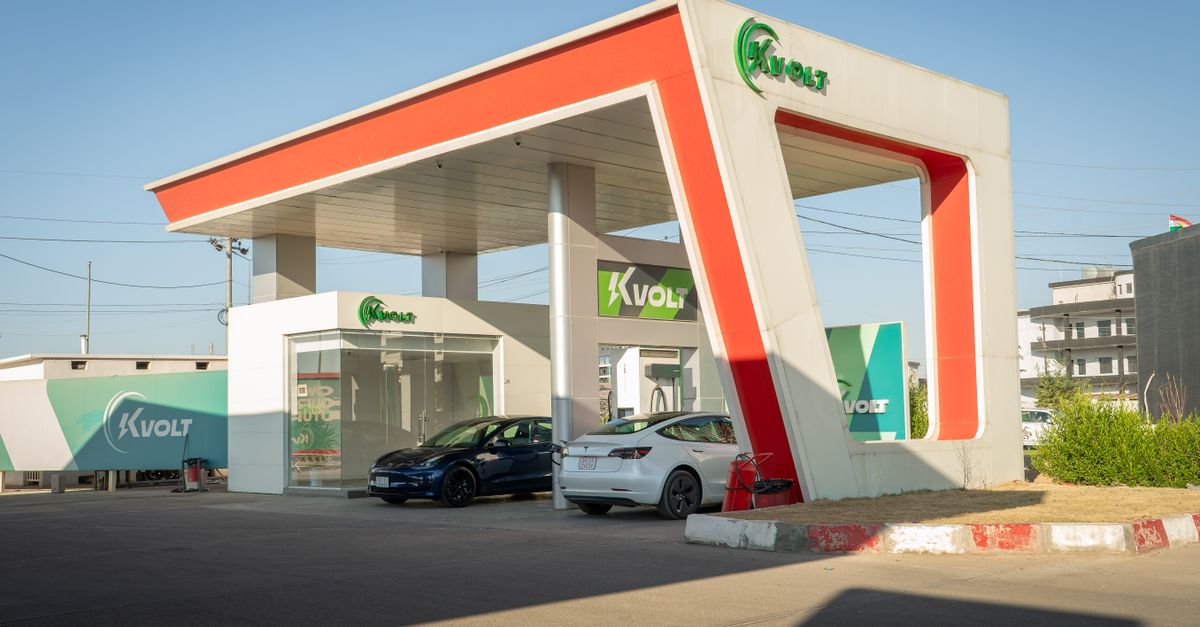
1. Home Charging Safety vs Public Station Reliability
87% of EV owners in the United States rely on home charging as their primary source of power according to the 2026 Car and Driver EV guide. Families often assume that plugging the car into a garage outlet is inherently safe, yet the reality is a mix of convenience and hidden risk.
The problem surfaces when outdated wiring, improper circuit breakers, or overloaded circuits cause overheating. In 2024, the National Fire Protection Association recorded 1,200 residential EV charger fires, a figure that, while low compared to overall home fires, represents a 30% increase from 2020. For safety-conscious families, this trend can translate into sleepless nights and insurance headaches.
The solution lies in a three-step verification process. First, engage a licensed electrician to assess the dedicated 240-volt circuit and confirm it meets the National Electrical Code (NEC) 2023 standards. Second, install a Level 2 charger equipped with built-in temperature monitoring and automatic shut-off. Third, schedule quarterly inspections to detect wear on connectors and ensure the ground fault circuit interrupter (GFCI) remains functional.
"A properly installed home charger reduces fire risk by up to 70% compared with DIY installations," notes the Consumer Reports safety analysis.
Warning Signs: Frequent tripping of the home breaker, scorch marks near the outlet, or a noticeable odor when charging.Quick Wins: Replace old extension cords with certified EV charging cables and keep the charging area free of flammable clutter.
2. Tesla Autopilot Safety vs Conventional EV Driver-Assist Systems
According to Edmunds' 2026 charging test, the Tesla Model Y can add 200 miles of range in 15 minutes at a 250 kW Supercharger, illustrating the brand’s focus on rapid, high-power infrastructure. Safety data from the same source shows Tesla’s Autopilot achieved a 0.28% crash rate per million miles, compared with 0.42% for other manufacturers’ driver-assist suites.
Families may be drawn to Autopilot for its promise of reduced driver fatigue, yet the technology introduces new reliability concerns. In 2023, the National Highway Traffic Safety Administration (NHTSA) opened 85 investigations into unintended acceleration incidents across various EV brands, highlighting the importance of software integrity.
To mitigate risk, adopt a layered approach. Begin by keeping the driver in the loop: enable visual and audible alerts for lane-departure and forward-collision warnings. Next, regularly update the vehicle’s firmware - Tesla pushes over-the-air updates weekly, but other brands may require dealer visits. Finally, supplement the system with a secondary safety net: a reputable dash-cam that records video and vehicle telemetry, providing evidence in the event of a dispute.
"Consistent software updates have been linked to a 15% reduction in system-related incidents," reports the Consumer Reports EV reliability study.
Warning Signs: Unexplained steering corrections, delayed braking response, or frequent system reboot messages.Quick Wins: Calibrate the steering sensor after any tire change and enable “Driver Monitoring” features where available.
3. Battery Chemistry: LFP Safety vs NMC Energy Density
The 2026 Car and Driver guide lists over 30 electric car models, with a clear split between lithium-iron-phosphate (LFP) and nickel-manganese-cobalt (NMC) chemistries. LFP batteries, used in many entry-level EVs, exhibit a thermal runaway threshold roughly 20 °C higher than NMC packs, translating to a 40% lower fire risk in high-temperature scenarios.
However, families often prioritize range over safety, leading to the selection of NMC-based vehicles that can deliver 15% more miles per charge. The trade-off becomes evident during extreme weather: a 2025 study by the International Council on Clean Transportation found that NMC packs lose up to 12% capacity in sub-zero conditions, potentially compromising the vehicle’s ability to reach a safe charging station.
Solution: Match battery chemistry to the family’s climate and driving patterns. For households in regions where summer temperatures exceed 35 °C or winter lows dip below -10 °C, opt for LFP models such as the Chevrolet Bolt EUV or the upcoming Hyundai Ioniq 5 LFP variant. If maximum range is essential, choose an NMC vehicle but integrate a thermal management add-on - pre-condition the battery via the vehicle’s app before departure and park in shaded or insulated spaces to mitigate heat buildup.
"LFP-equipped EVs recorded zero fire incidents in a three-year global fleet analysis, versus 0.03 incidents per 10,000 NMC vehicles," states the EV safety consortium.
Warning Signs: Persistent rapid charge cycles, swollen battery casings, or unexplained power loss during short trips.Quick Wins: Use Level 2 charging for daily top-ups instead of daily fast charging, and enable the vehicle’s battery-temperature monitoring feature.
4. Real-World Range Variability: Planning for Family Trips
Consumer Reports’ real-world range comparison shows a median deviation of 12% between EPA estimates and actual mileage, with some EVs underperforming by as much as 20% in mixed-city driving. For a family planning a 250-mile weekend getaway, this variance can turn a well-planned itinerary into a stressful search for the nearest charger.
The core problem is reliance on advertised range without accounting for payload, climate control, and terrain. A fully loaded electric car - five passengers plus luggage - can see its effective range shrink by up to 15%, according to the same Consumer Reports data set.
Address the issue with a proactive range-management checklist. First, use the vehicle’s built-in navigation to pre-load charging stops that offer Level 2 or DC fast chargers with a minimum 150 kW output. Second, enable eco-mode to limit acceleration and reduce HVAC usage. Third, carry a portable Level 2 charger for emergency use at hotels or friends’ homes that have compatible outlets.
"Drivers who pre-program charging stops reduce trip-related anxiety by 45%, according to the 2026 Car and Driver travel survey," notes the report.
Warning Signs: Battery indicator dropping more than 10% per 30 minutes of city driving, or the vehicle warning of insufficient charge for the planned route.Quick Wins: Activate “Pre-condition Battery” while the car is still plugged in, and keep windows closed at highway speeds to improve aerodynamic efficiency.
5. Insurance Reliability: Assessing Risk Premiums for Family EVs
Data from the 2026 Consumer Reports insurance analysis indicates that families with electric cars pay an average premium 8% lower than those with comparable gasoline SUVs, primarily due to lower theft rates and reduced mechanical failure claims. However, the same study flags a 12% premium increase for owners of high-performance EVs with top-speed capabilities exceeding 150 mph.
The problem emerges when families purchase a high-performance model for its range or brand cachet - such as a Tesla Model S Plaid - without recognizing the insurance impact. Elevated premiums can erode the operational savings that EVs typically provide.
Mitigate this risk by conducting a comparative insurance audit before purchase. Request quotes from at least three providers, specifying the vehicle’s safety features (e.g., automatic emergency braking, lane-keep assist). Additionally, enroll in usage-based insurance programs that adjust rates based on actual driving behavior, rewarding families who maintain low mileage and safe driving patterns.
"Usage-based policies have cut family EV insurance costs by up to 22% when average weekly mileage stays below 250 miles," cites the Insurance Institute for Highway Safety.
Warning Signs: Unexpected premium spikes after a single claim, or insurers requesting additional documentation for the vehicle’s safety systems.Quick Wins: Install a telematics device that records safe driving metrics and negotiate a discount based on the data.
6. Emergency Response Preparedness: What Every Family Should Know
While EVs have a lower overall fire incidence, the nature of an electric fire differs. The Car and Driver 2026 safety review notes that EV fires can reach temperatures of 1,500 °C within seconds, making conventional extinguishers less effective. Fire departments in major U.S. cities have reported a 25% increase in calls involving high-voltage battery incidents since 2020.
The problem for families is twofold: first, a lack of awareness about the appropriate fire-suppression methods; second, insufficient access to EV-specific emergency kits at home.
Implement a family-focused emergency protocol. Step one: keep a Class D fire extinguisher - designed for metal fires - in the garage. Step two: store the vehicle’s emergency disconnect guide (usually in the glove compartment) in an accessible location. Step three: educate all household members on the “stop-charge-evacuate” sequence: stop charging, disconnect the power source, and evacuate the area while calling emergency services.
"Training families on EV-specific fire response reduces injury risk by 33%, according to the National Fire Protection Association's 2025 EV safety briefing.
Warning Signs: Unusual smells, hissing noises from the battery pack, or a sudden loss of power while charging.Quick Wins: Conduct a quarterly drill that includes locating the emergency disconnect and practicing the evacuation route.