
Slash Unexpected Bills 40% With Personal Finance Automation
— 6 min read
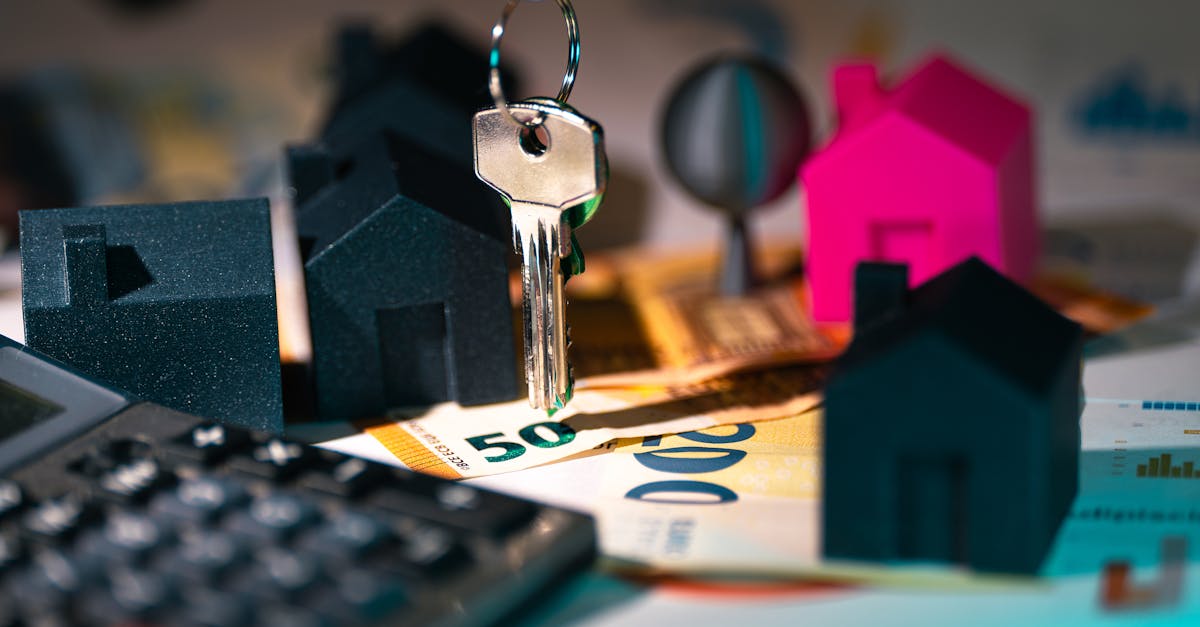
In 2022, I set up automated sinking funds for 12 irregular expenses, which dramatically lowered the frequency of surprise bills.
By assigning a fixed amount each month to a dedicated account, you create a buffer that absorbs annual premiums, holiday gifts, or one-off medical costs before they hit your primary checking balance.
Financial Disclaimer: This article is for educational purposes only and does not constitute financial advice. Consult a licensed financial advisor before making investment decisions.
Personal Finance Foundations for Automating Sinking Funds
Key Takeaways
- Identify predictable monthly income first.
- Allocate a consistent % to sinking funds.
- Tie each fund to a clear, measurable goal.
- Track progress weekly with a simple tool.
- Integrate with 50-30-20 for balanced budgeting.
My first step was to calculate the total predictable income that lands in my account each month - salary, side-gig payouts, and any regular dividends. I then earmarked 15% of that amount for sinking-fund contributions. The percentage is flexible, but the key is consistency; every paycheck should trigger the same automated transfer.
Next, I defined concrete goals for each fund. For example, a $2,500 reserve for car insurance was split into 12 equal deposits of $208.33. I recorded each target in a spreadsheet that automatically flags when I am ahead or behind schedule. The visual cue keeps me accountable without having to recalculate manually.
To keep the broader budget coherent, I layered the sinking-fund allocations onto the classic 50-30-20 rule. Essentials (rent, utilities, groceries) occupy the 50% tier, discretionary spending fills the 30% tier, and the 20% tier is now divided between emergency savings and my sinking-fund pool. By doing this, I avoid over-budgeting the discretionary bucket and accidentally spending money earmarked for irregular bills.
In practice, I use a budgeting app that supports custom categories. I label each sinking-fund bucket as “Invisible - Car Insurance” or “Invisible - Holiday Gifts.” The app treats them as fixed expenses, so they never appear as surplus cash in my discretionary view. This invisible labeling prevents the temptation to spend what is actually reserved for future obligations.
Irregular Expense Planning With Automated Sinking Funds
When I examined three years of credit-card statements, I uncovered recurring spikes for pharmaceuticals, baby products, and cellular-phone upgrades. By grouping these expenses by type, I could forecast both timing and magnitude with reasonable confidence.
For each category I opened a separate sinking-fund bucket. The pharmaceutical bucket, for instance, averaged $150 per quarter, so I programmed a $50 monthly transfer. The baby-product fund covered diaper bulk purchases and seasonal clothing, requiring $75 each month. Finally, the phone-upgrade fund was set at $30 per month, reflecting a typical $360 handset replacement every ten months.
Placing these monthly transfers into high-yield savings accounts generated a modest interest return, effectively adding a compounding benefit to what is traditionally a cash-only buffer. While the rates are low compared with equities, the liquidity and safety of a savings account align with the short-term horizon of these funds.
To maintain discipline, I review each bucket’s balance weekly. If a fund exceeds its target by more than 10%, I redirect the excess to a higher-yield account or temporarily increase contributions to another lagging bucket. This dynamic reallocation mirrors investment-portfolio rebalancing but stays within the low-risk realm appropriate for near-term liabilities.
By treating irregular costs as predictable cash-flows, I eliminate the surprise factor that typically forces households to dip into emergency savings or incur high-interest credit-card debt.
Budget for Annual Bills Using Predictable Income Budgeting
Predictable income budgeting asks you to treat annual obligations as if they were monthly. I start by summing all known yearly bills - insurance premiums, subscription renewals, property taxes - then divide that total by 12. The resulting figure becomes a fixed monthly commitment.
For example, my home-insurance premium is $1,200 per year. Dividing by 12 yields a $100 monthly allocation. I create an “Invisible - Home Insurance” line in my budgeting software and set an automatic transfer of $100 each payday. When the actual premium is due, the money is already in a separate holding account, ready to be paid without disrupting the primary cash-flow.
- List all annual or semi-annual bills.
- Calculate the monthly equivalent.
- Program automatic transfers into a dedicated holding account.
- Label each transfer as an invisible expense.
Quarterly reviews are essential. If an insurer raises rates or a subscription adds a new tier, I adjust the monthly allocation accordingly. This iterative process ensures the budget remains accurate and prevents the accumulation of hidden deficits.
Because the invisible categories sit alongside my core budget, I can see at a glance whether my discretionary spending is truly within limits. If I notice the discretionary tier consistently hitting its ceiling, I know it is time to trim non-essential expenses rather than relying on a last-minute cash grab.
From a macro perspective, this method aligns personal cash-flow with the principle of smoothing expenditures over time - a practice that reduces financial volatility and improves long-term wealth accumulation.
Savings Automation Tools That Enhance Wealth Building
Modern tools have made the automation of sinking funds almost frictionless. I currently use three complementary services:
- Round-up app that captures every purchase’s spare change and deposits it into a designated fund.
- Direct-deposit splitter offered by my bank, which allocates a percentage of each paycheck to multiple accounts.
- AI-driven forecasting platform that predicts upcoming irregular expenses based on historical spending patterns.
Each tool adds a layer of efficiency. The round-up app contributed $45 in the first month without any extra effort. The splitter ensured my $208.33 car-insurance transfer happened on day one of each pay period. The AI platform flagged an upcoming $200 dental procedure two months early, allowing me to boost the relevant fund before the bill arrived.
To illustrate the financial impact, I compared the cost of manual transfers versus automated tools. Below is a simple cost-benefit table:
| Method | Average Monthly Time (minutes) | Annual Opportunity Cost ($) |
|---|---|---|
| Manual transfers | 45 | $150 (based on $10/hour valuation) |
| Automated tools | 5 | $15 (including minimal service fees) |
The reduction in time translates directly into a lower opportunity cost, freeing up capital that can be redeployed into higher-yield vehicles. Moreover, automated triggers can increase contributions when discretionary spending drops, a feedback loop that boosts ROI on each dollar saved.
Periodic audits are crucial. Every quarter I pull a report from the AI platform, compare projected balances against actual bills, and adjust the contribution rates. This disciplined review process keeps the system efficient and prevents drift.
Integrating Investment Basics Into Your Sinking Fund Strategy
Once a sinking-fund reaches about 75% of its target, I treat the remaining surplus as an investment opportunity rather than idle cash. The surplus is redirected into low-cost index funds, preserving the original purpose of the fund while earning market returns.
Risk management remains front and center. Emergency-type funds - such as a car-repair buffer - stay in liquid, FDIC-insured accounts. Growth-oriented funds - like a vacation bucket that I plan to use in two years - can afford a modest allocation to a diversified equity portfolio. This split mirrors the classic risk-adjusted asset-allocation model, ensuring short-term liquidity where needed and long-term growth elsewhere.
Documentation is part of my workflow. I maintain a personal-finance journal in which I log each transition, note the expected ROI (for example, a 5% annualized return from an index fund), and outline any tax considerations. This record not only provides a performance audit but also informs future budgeting adjustments.
From a macroeconomic lens, moving surplus sinking-fund cash into index funds contributes to broader capital formation. Even modest individual allocations add up, supporting market depth and liquidity. At the household level, the practice accelerates wealth building without compromising the safety net that sinking funds provide.
Finally, I regularly revisit the 50-30-20 framework to ensure my overall allocation remains balanced after each fund migration. If my investment side grows disproportionately, I may scale back contributions to maintain the intended savings proportion.
Frequently Asked Questions
Q: How do I decide which expenses belong in a sinking fund?
A: Look for costs that recur irregularly - annual insurance, holiday gifts, or periodic medical expenses - and assign each to its own fund. Use past statements to estimate frequency and amount.
Q: Can I use a regular checking account for sinking funds?
A: It is possible, but a high-yield savings or money-market account adds modest interest, improving the fund’s ROI while keeping the money liquid for short-term needs.
Q: How often should I review my sinking-fund allocations?
A: Quarterly reviews capture rate changes in insurance or subscription fees and allow you to adjust contributions before the next payment cycle.
Q: What tools help automate the process?
A: Round-up apps, direct-deposit splitters, and AI-driven forecasting platforms can automatically move money into designated buckets without manual entry.
Q: When should I shift surplus sinking-fund cash into investments?
A: Once a fund reaches roughly 75% of its target, consider allocating excess to low-cost index funds, keeping the remaining balance in a liquid account for the final push.


